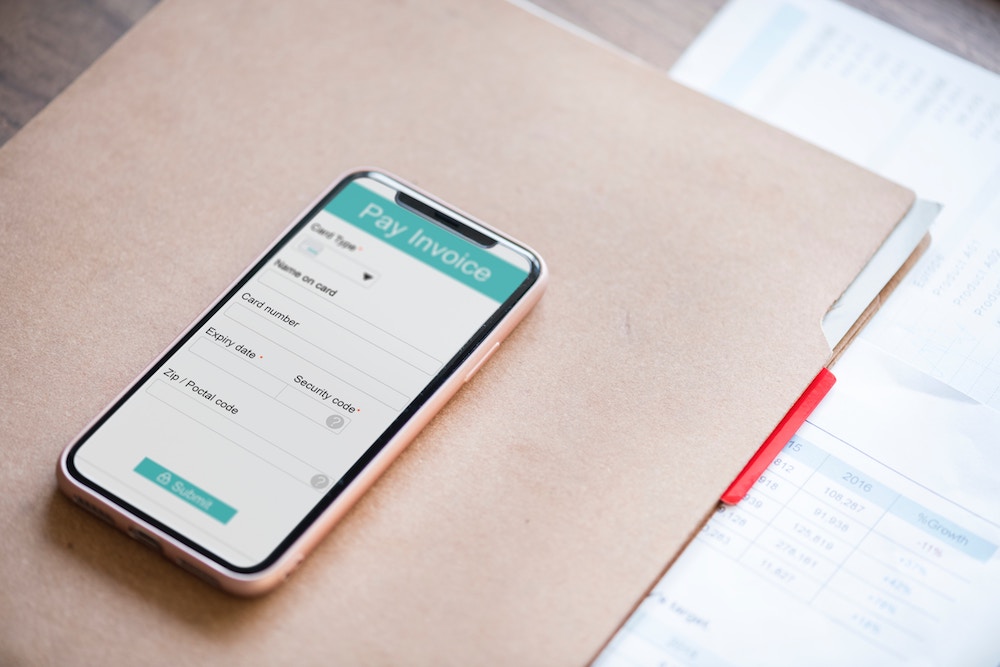
If you’re used to the regularity of a monthly paycheque, then freelancing might come as a shock to the system. The uncertainty is enough to put a lot of people off. But with a few systems in place, you can make irregular income work for you.
Making a living as a freelancer is only one part of the equation. There’s the times when you show up and do the work, but getting paid can become a whole other job. And then you need to keep track of things like business expenses and manage your tax returns. You have to market your business and find ways to diversify your income.
Late invoices and clients who ghost you can make the whole thing a lot more stressful. I’ve been freelancing since 2012, so I’ve seen it all. I’ve had the healthy months where I’ve been able to travel and save, and then I’ve had the months where I’ve had to cut back or dip into those savings. So these are the little tips that have saved my bacon more than once.
A few caveats to note before I get started. I don't have kids, and I know this makes a huge difference to the financial decisions I can make. I can't possibly give advice to anyone navigating freelancing while also raising a family, but I do know plenty of hardworking and talented people make this work while parenting.
Tips for making a living as a freelancer
Take deposits
When you first start working with clients, asking for a deposit for the work is going to feel super ballsy. But if you’re going to make a living as a freelancer, you’re going to have to get tough about money. Most big agencies will ask for a deposit before starting any work, and freelancers should consider the same practice.
It protects you in the event that they decide to not pay at the end of the first month and it helps to build a system of trust. It also keeps you accountable. If the client has already handed over money, you’re going to have to step up and show your value right from the start.
Get clear about your expenses
You can’t budget if you don’t know exactly what goes out of your bank account and when. Start by switching all of your bills to direct debits so you know precisely how much is going to leave your account and when.
If you’re concerned about making ends meet in the beginning, look at ways to trim the fat. Identify subscriptions that you’re not really using and either downgrade or cancel them.
Once you know your expenses for the month, you can then add on an allowance for variables like food, going out and shopping. Add it all up, and you’ve got your monthly expenses. Add 20%, and this includes what you’ll need to save for tax. You now know how much you need to earn from freelancing to make ends meet.
Split your accounts
Setting up a business account and splitting my personal and business expenses was a game changer for me.
I currently have 3 cards in my wallet. A personal debit card, a personal credit card, and a business debit card. All client invoices go directly to my business account. I deduct my expenses and 20% from my freelance income every month and the remainder goes to my personal account.
My personal debit card handles all of my bills, so I know exactly what is going to leave that account every month. Day to day spending goes on my credit card and this is paid off in full every month. Any leftover is split between savings and investments, and this leaves the account at the start of the month, not the end.
I’m not saying this is the only way to do things, but you will need to find a system that works for you. Keeping track of your funds and spending is essential for living as a freelancer.
Use your overdraft wisely
It might look like free money, but it isn’t! Your overdraft should be used for emergencies only. At the start of my freelance career I got myself into a real pickle using various overdraft facilities and credit cards. It took me years to recover and to get myself into a position where I could save and invest.
I could have added up how much I wasted on overdraft fees and interest over the years, and the number likely would have made me ill. Instead, I choose to focus on the positive. I’ve fixed this situation, and I feel confident I won’t have to go back.
When you’re living in an overdraft, your decisions are made in survival mode. I know that my business suffered over the years because I had to make choices based on making ends meet. I can feel the stark difference in my mental state now that I’m no longer under this kind of pressure, so my advice would be to avoid it if possible.
Get wise with your taxes
The first year of freelance taxes are a breeze. And then year two comes along and you’re hit with a number that hardly seems possible. This is your payment on account, and it’s basically your tax for the following year, which is due at the same time as when you settle up for the current year.
Remember there are loads of things you can claim for as a freelancer which make your taxes more palatable. This is another reason that a business account will help to minimise admin, as you’ll be able to see all of your business expenses without going through your personal accounts month by month.
When you’re making a living as a freelancer, you ideally need to be saving 20% of every invoice. At the end of the tax year, your bill will probably be much lower than this when you factor in all of the deductibles, but it’s always better to overestimate than underestimate.
I use a site called GoSimpleTax to help me keep track of everything throughout the year. It even checks your tax return for mistakes and submits it to HMRC.
Is there anything missing from this list? What advice would you give to a person just starting out making a living as a freelancer?